
The Book Thief Review How Markus Zusak Turns Words into Survival
Overview
A Story of Words, Love, and Survival
Have you ever read a book that completely changed how you see the world? The Book Thief by Markus Zusak does exactly that. It takes place in Nazi Germany and tells the story of a young girl named Liesel Meminger. She finds comfort and power in stealing books. But here’s the twist: the story is told by Death itself. That unique voice makes this novel stand out from other World War II stories. It shows how words can be used to control people, but also to free them.
Since its release, The Book Thief has won many awards. It won the Michael L. Printz Award and the National Jewish Book Award. The American Library Association recognized it for literary excellence in young adult literature. The film adaptation also earned several Oscar, Golden Globe, and BAFTA nominations for its music. IMDb lists 9 wins and 17 nominations. This recognition proves how deeply the story connects with readers and viewers.
Why does The Book Thief still matter in 2026? Because it reminds us that even in dark times, small acts of kindness and the love of stories can help us survive. It’s a book that makes you think about the power of your own words. If you’re curious about how this novel compares to other powerful stories, check out our guide on the best novels of 2023 that earned their bestseller status.
But not every story has to be heavy. Sometimes you need a laugh after a deep read. If you could use a lighter mood, explore a sci-fi comedy series built to make you smile. Now, let’s dive deeper into why Liesel’s story of words and survival still captures hearts around the world.
The Historical Canvas: World War II Germany
The setting of The Book Thief is not just a backdrop. It is a character in itself. Nazi Germany during World War II shapes every choice every person makes.
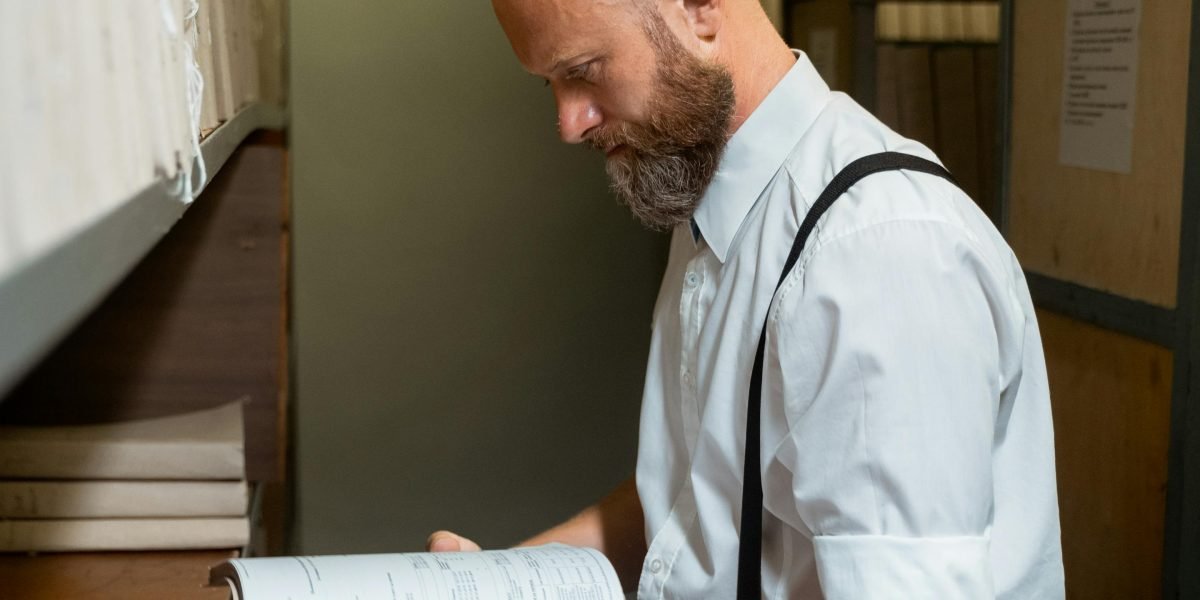
The fear, the hunger, the secrets, and the small acts of rebellion all come from this time and place. Without understanding the historical canvas, you miss half of why the story matters so much.
The novel takes place in a small, fictional town called Molching, just outside Munich. Although Molching does not exist on any map, it is based on real German towns that lived through the war. One analysis notes that Molching mirrors many real towns near Munich, and the nearby Dachau concentration camp casts a long shadow over the story. Zusak uses this made-up setting to show what life was like for regular people in a place where the Nazi regime controlled everything.
What makes The Book Thief special is its focus on ordinary Germans. Many stories about WWII focus on soldiers or victims in camps. But Zusak looks at the everyday citizens who were caught in the middle. They were not all Nazis, but they were not all heroes either. They were just people trying to survive. The novel puts the spotlight on small-town Germans often overlooked by war narratives, showing how they suffered even while living in the country that started the war. This gives the story a rare and honest perspective.
The climax of the novel comes when the Allies bomb the fictional town of Molching. This event is rooted in real history. The bombing of German cities was a devastating reality of World War II. The Encyclopedia Britannica entry on The Book Thief confirms that the story is set in the context of WWII, and the bombing raid that destroys Himmel Street is inspired by actual bombings that killed thousands of civilians. This moment forces Liesel and everyone around her to face the true cost of war.
If you want to explore more stories about survival in oppressive times, check out this list of 10 dystopian novels like The Hunger Games that also tackle tough themes through gripping narratives.
The historical canvas of The Book Thief reminds us that even in the worst moments of human history, there is still room for love, words, and quiet resistance. And if the weight of that history ever feels too heavy, you might enjoy a lighter break with a strange and warm sci-fi comedy series built to make you smile.
Death as Storyteller: The Unlikely Narrator
Here is a small fact: you are going to die. Those are the very first words of The Book Thief. And with that single line, Markus Zusak throws you into his most brilliant creative decision. The story of Liesel Meminger is told by Death himself. It sounds strange at first. But it works better than almost any other choice he could have made.
Why pick Death as a narrator? Because Death is the ultimate witness. He has seen every war, every tragedy, and every quiet moment of grace.
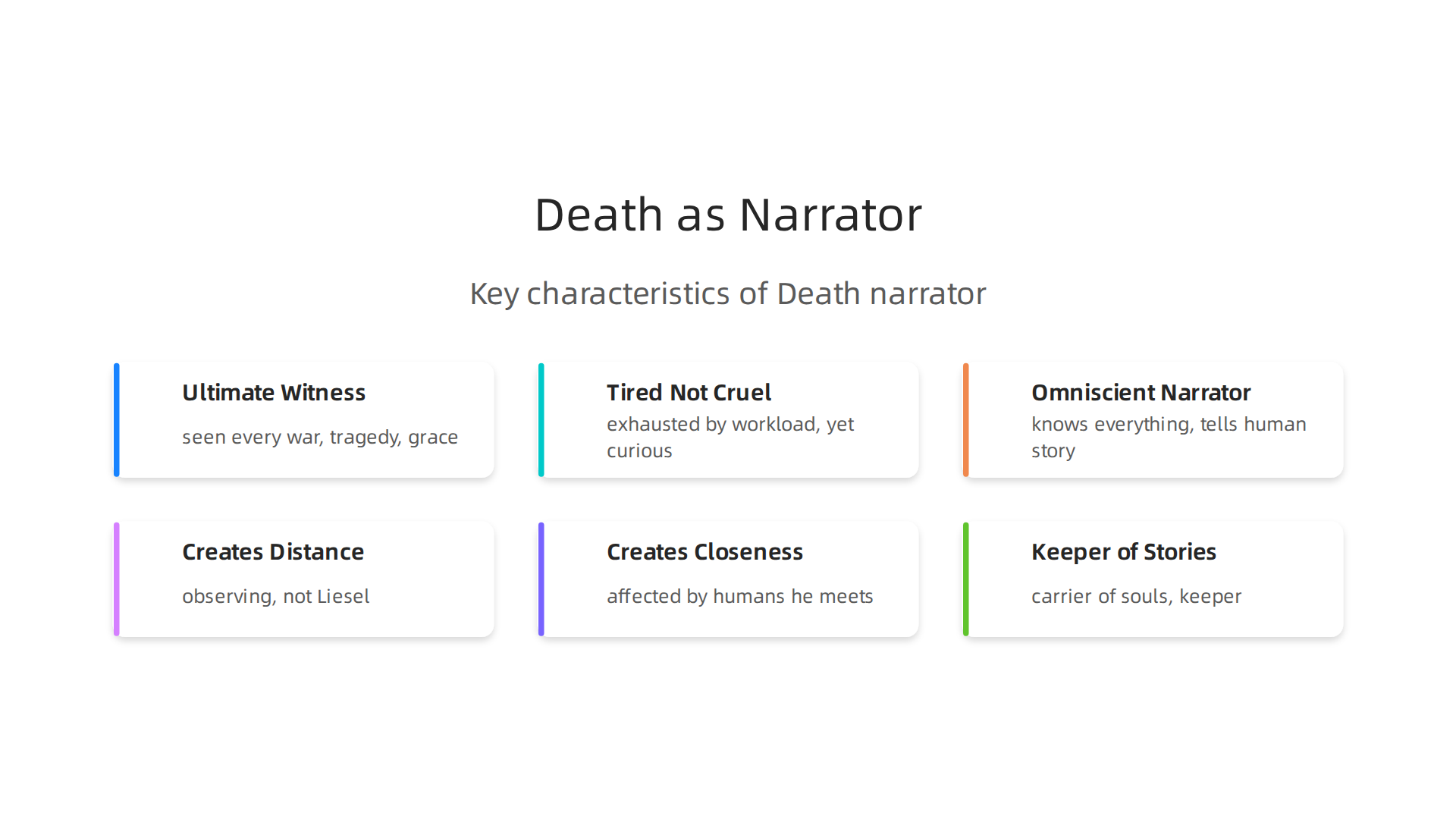
During World War II, he is busier than ever. One analysis explains that Death’s voice is tired but never cruel. He is exhausted by his workload, yet he remains deeply curious about the humans he collects. He is not a villain or a monster. He is just a weary being trying to do his job during the worst time in modern history.
Zusak does something clever here. He makes Death a performative omniscient narrator. This means Death knows everything, but he tells the story in a very human way. He gets distracted. He shares his opinions. He even talks directly to you, the reader, breaking the fourth wall. This choice makes the impossible feel personal.
Here is the strange thing about having Death tell the story. It creates both distance and closeness at the same time. On one hand, you know Death is just observing. He is not Liesel. He is not running from the Nazis. So you feel a little safer. Death uses his narrative power to warn you when hard moments are coming. He tells you the color of the sky when someone dies. This softens the emotional blows.
But on the other hand, this makes the story more intimate. Death is deeply affected by the humans he meets. He says he is haunted by them. He is amazed by how ugly and how beautiful humans can be. Watching Death wrestle with this contradiction is a huge part of the novel’s power. He cares about Liesel. He cares about Rudy. And because he cares, you care even more.
Death also has his own quiet arc. At the start of the war, he is numb and overwhelmed. The workload is crushing him. But as he follows Liesel through her life, he finds small lights in the darkness. Her love for words and her loyalty to her friends give him a reason to keep paying attention. By the end, Death is not just a carrier of souls. He is a keeper of stories. He wants to remember the beauty even as the world burns around him.
If you enjoy stories where the world feels broken but hope survives anyway, you might also like this list of 10 Dystopian Novels Like The Hunger Games. These stories share that same tension between survival and humanity.
Reading The Book Thief takes something out of you. It is a heavy, beautiful journey. And sometimes, after a book that deep, you need a break. You need something that reminds you to laugh without thinking about the weight of the world. If that sounds good to you right now, Need a Smarter Laugh? This sci-fi comedy is built to make you laugh first.
Liesel Meminger: A Character Study
If Death felt haunted by the humans he met, Liesel Meminger is the one who haunted him most. She is the beating heart of the book thief. Her story turns a dark period into something oddly hopeful. And she starts with almost nothing.
When we first meet Liesel, she is on a train with her mother and her dead brother. She cannot read. She cannot write. She is scared and angry at the world. One analysis notes that Liesel is kind, loyal, and daring, but she also carries deep trauma from losing her family. She feels abandoned and lonely. She tries to isolate herself from everyone around her.
But here is where the magic starts. Liesel steals her first book at her brother’s grave. She cannot even read it yet. She loves books so much that she steals them even before she knows how to read. That is a strange and beautiful contradiction. She is drawn to words without understanding them. And this pull becomes her lifeline.
Over the course of the novel, Liesel transforms. Her relationship with books evolves from a way to cope with her losses into a tool for resistance and empowerment. She learns to read thanks to her foster father Hans. He stays up late with her, teaching her the alphabet in their cold basement. These quiet moments of learning become acts of rebellion. In a world where Hitler uses words to spread hate, Liesel uses words to fight back.
Her relationships define her growth. Each person in her life teaches her something vital about resilience, compassion, and human connection. Hans shows her patience and the power of small kindnesses. Rosa, her rough foster mother with a hidden heart, teaches her about loyalty. Rudy, her best friend, gives her laughter and pure friendship. And Max, the Jewish man hiding in her basement, teaches her about courage and sacrifice.
Liesel emerges as a symbol of resilience. She loses so much. Her brother. Her mother. Her friends. Her home. Yet she never stops reaching for connection. Through all her hardships, she becomes a strong-willed survivor and a brave rescuer. She steals books not because she is selfish, but because words keep her human.
If you love character stories where resilience shines through darkness, check out our guide on Mitch Albom books that still resonate decades later. Albom writes characters who face hard truths and find meaning anyway.
Reading about Liesel’s journey can leave you feeling raw and inspired all at once. Sometimes after that kind of emotional weight, you need a break. You need something that reminds you joy is still possible without the heavy themes. Love Clever Comedy? This sci-fi series is built for readers who want smart laughs without the heartache.
The Power of Words: Central Themes
So Liesel finds her strength through stolen books. But here is the bigger idea Markus Zusak wants you to sit with. Words are not just pretty sounds on a page. In the book thief, words become weapons. They also become shields. And the whole novel wrestles with this truth.
Think about it. The story is set in Nazi Germany. Adolf Hitler used words to spread hate and control millions.

As one analysis puts it, Hitler uses words and not guns or money or some other instrument to gain power. Propaganda posters filled the streets of the fictional town Molching, a town that mirrors real places near Munich. The Nazis burned books to destroy ideas. They twisted language to turn neighbors against each other. Words became a tool for oppression.
But Liesel discovers the other side too.
Words as Tools for Oppression and Liberation
Here is the central tension of the novel. The same force that fuels a dictator can also save a single soul. The novel explores how words can be used for both destruction and creation. On the one hand, Hitler’s speeches fill the airwaves and poison minds. On the other hand, Liesel reads stolen books aloud in a bomb shelter and calms terrified strangers.
This duality is the heart of the whole story. Words can break you. Words can heal you. The novel itself is written by Death, which is a strange narrator. But Death uses words to tell a human story. And that choice matters deeply.
Max’s "The Word Shaker": The Novel’s Core Message
The most powerful moment on this theme comes from Max Vandenburg, the Jewish man hiding in the Hubermann basement. He writes a story for Liesel called "The Word Shaker." In it, a girl uses her words to grow a tree of stories. The tree stands tall against the Fuhrer’s orders. This allegory captures the novel’s core message that words are the most powerful force there is. Max knows he is powerless against Hitler’s army. But he believes that stories have a quiet, unstoppable strength.
This is the part that sticks with you. Even when your body is trapped, your voice can still be free.
Storytelling as Survival in Dark Times
Here is another truth the novel shows us. Telling stories is a way to stay alive. Not just physically, but emotionally. The act of reading and writing becomes a form of resistance against the dehumanization of war. Liesel reads to Max when he is sick. She reads to her neighbors during air raids. She writes her own story in a basement when the world above is falling apart.

This is why the book thief feels so important in 2026. We live in a time where information is everywhere and misinformation is everywhere too. The novel reminds you that words demand responsibility. You can use them to build walls or bridges.
If you love stories about how people survive hard times through reading, you might also enjoy our list of the best novels of 2023 that actually earned their bestseller status. Many of those books explore similar themes of resilience and the power of story.
Also, it is worth noting that the book thief has been challenged and banned in some schools over the years. It joins the company of other powerful books that make people uncomfortable. Stories about words being used for hate often get labeled as dangerous themselves. That irony is not lost on anyone who has read this book.
When the weight of these themes gets heavy, sometimes you need a break from the darkness. You need something that reminds you laughter still exists. Love Clever Comedy? This sci-fi series gives you smart laughs without the Nazi propaganda and the bombs. It is the kind of story that lets you breathe.
Literary Craftsmanship: Style and Symbolism
The themes in the book thief hit so hard partly because of how the story is told. Markus Zusak does not just tell you that words have power. He shows you through his own craft. The writing itself is a character in this book.
Let us start with the narrator. Death tells the story. And Death is not your typical storyteller. He is tired, compassionate, and strangely human. He jumps around in time, gives away endings before they happen, and talks directly to you the reader. Death functions as both a character and a narrator, blending omniscience with a very personal voice. This choice makes every scene feel more urgent. When Death says "you are going to die" on page three, you know this story will not hand you a neat happy ending. You feel the weight of every moment.
The prose is full of bold imagery. Zusak writes in short, punchy lines. He uses colors, smells, and sounds to paint Molching. You can almost taste the dust on Himmel Street. You can feel the cold in the basement. The language is poetic but never fancy. It feels like a child trying to describe the world while the world burns.
Symbols That Carry the Weight
The objects in this novel are never just objects. Each one holds a deeper meaning.
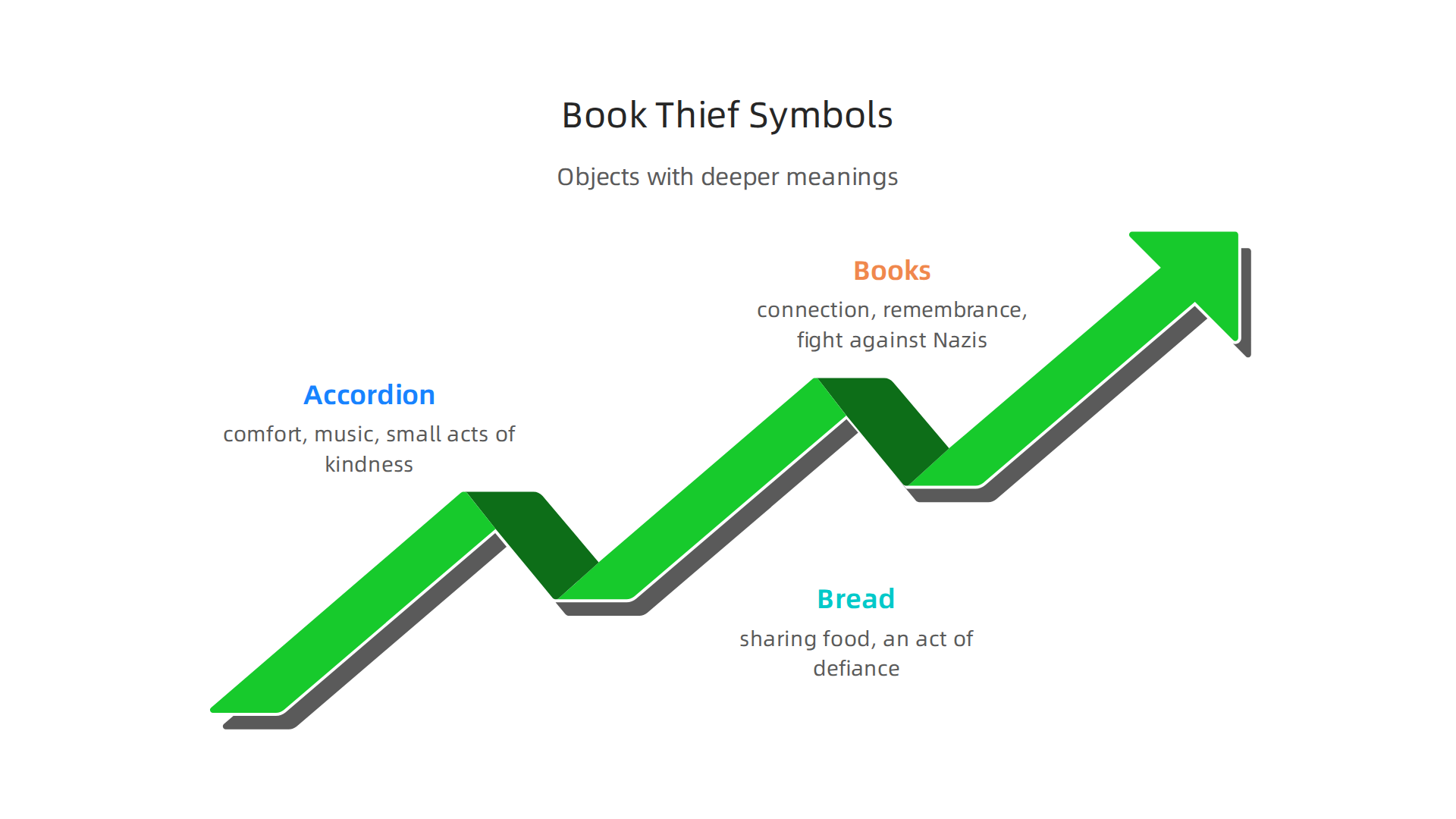
The accordion. Hans Hubermann plays the accordion. It is a symbol of comfort, music, and humanity. When Liesel hears it, she feels safe. When Max hears it, it reminds him of his father. The accordion represents the small acts of kindness that keep people alive.
Bread. Bread shows up again and again. Hans shares bread with a starving Jewish prisoner on a march. Liesel shares bread with Max. In a world of scarcity, sharing food is an act of defiance. It says: I see your suffering and I will not look away.
Books. Obviously, books are the most important symbol. For Liesel, a stolen book is not just paper and ink. It is a connection to her brother. It is a promise to remember. It is a way to fight back against the Nazis who burn books. The books she steals are talismans of hope.
Unconventional Structure That Deepens Emotion
Zusak does not write a straight timeline. He uses what some call a postmodern style. Chapters have bolded definitions and starred sections. The narrator breaks the fourth wall constantly. This disjointed narration and the use of interjections like "a small fact" force you to pay attention. You cannot skim. You have to sit with the story.
He also gives away major plot points before they happen. You know someone will die. You know the basement will flood. You know the bombs will come. But knowing does not lessen the pain. It makes it worse. You spend the whole book dreading the moment you already saw coming.
That is the trick. By loosening the structure, Zusak tightens your heart.
If you enjoy novels that break the rules of storytelling, you might also like these 10 dystopian novels like The Hunger Games that use bold narrative styles. They push the boundaries of how a story can be told.
After spending so much time inside this heavy, beautiful world, you may feel the need for a break. A deep laugh that does not require pain. Something lighter, faster, and full of playful absurdity. Pick up a story that lets your brain rest. Need a Smarter Laugh? This sci-fi comedy is built to make you laugh first and think later. It is the perfect palate cleanser after the weight of war.
Legacy and Critical Reception
So where does the book thief stand today, almost twenty years after it first hit shelves? Pretty high, actually. The novel has become a modern classic. It sits on school reading lists, in book club discussions, and on the nightstands of readers who still cry at the final page. Its legacy is not just about sales. It is about how it changed the way we talk about war, words, and childhood.
Awards That Prove Its Power
The book did not go unnoticed by critics. It won some of the biggest awards in young adult literature. In 2007, it won the Michael L. Printz Award for excellence in YA fiction. That award is given by the American Library Association. It also won the National Jewish Book Award for Children’s and Young Adult Literature. And it took home the Commonwealth Writers Prize for Best Book in its region. The Book Thief has won many awards including the Printz Award, Book Sense Book of the Year, and the National Jewish Book Award. Those honors show that both young readers and adults take the story seriously.
The movie adaptation came out in 2013. It earned Oscar, Golden Globe, and BAFTA nominations for its score by John Williams. Sophie Nélisse won a Hollywood Film Festival award for her role as Liesel. So the story’s reach went far beyond the page.
A Bestseller That Keeps Selling
Since it came out in 2005, the book thief has sold millions of copies worldwide. It spent years on bestseller lists. It is one of those books that teachers, librarians, and friends pass around. Even in 2026, it still shows up on reading lists and in bookstore displays. That kind of staying power is rare.
The book also influenced a whole generation of YA historical fiction writers. Before the book thief, many people thought young readers would not pick up a book about Nazi Germany told by Death.

But Zusak proved them wrong. He showed that teenagers can handle heavy themes if the story is told with heart. Later books like The Outsiders already paved the way for tough topics in YA. But the book thief took it further. It mixed poetic language with brutal history. Now you see that style echoed in many newer historical novels.
Still Relevant in the Fight Against Censorship
Here is something worth noting. The book thief itself has become part of the conversation about banned books. Some schools and libraries have challenged it. Why? Because of its language, its mature themes, and its portrayal of death. But that is also why it matters. The book celebrates reading and the power of words. It defends the right to tell difficult stories. In a time when book bans are still happening, the book thief stands as a testament to why we need stories that do not look away.
If you love books that challenge the status quo, you might also enjoy The Best Novels of 2023 That Actually Earned Their Bestseller Status. These are books that lasted past the hype.
After sitting with all that weight, your brain might need a reset. Something lighter. A story that makes you laugh instead of cry. Love Clever Comedy? This warm, strange sci-fi series is built to make you smile. It is the perfect break before your next serious read.
Summary
The article examines Markus Zusak’s The Book Thief as a modern classic that uses an unusual narrator—Death—to tell the story of Liesel Meminger growing up in Nazi-era Germany. It explains how the fictional town of Molching and real wartime events shape characters’ choices, and how Liesel’s stolen books become tools for comfort, resistance, and survival. The piece explores major themes such as the dual power of words, Max’s allegory