The Old Memes That Built the Internet and Why We Still Share Them
Overview
Have you ever scrolled through your phone and stumbled on a picture of a grumpy cat or a dancing baby? That sudden wave of recognition is powerful, isnt it? Old memes do more than just make us smile. They act like a time machine, taking us right back to specific moments in internet history. We all have that one classic joke that still gets a laugh, no matter how many times we see it.
Those early face memes and funny videos were more than just quick entertainment. They were a shared language.
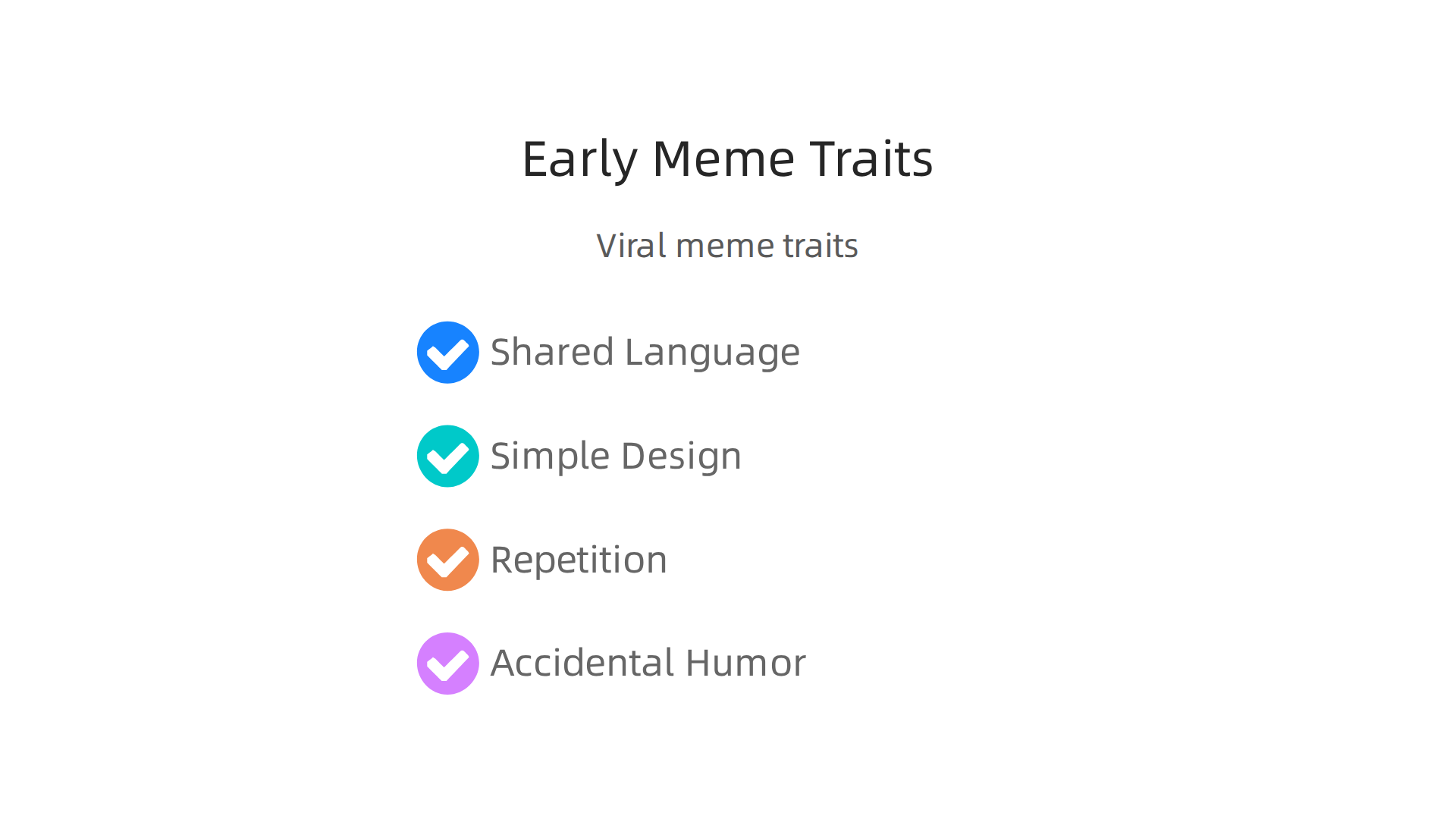
Before we all had smartphones, these images connected us across forums, chat rooms, and early social media. Understanding where these old memes came from helps us see how we communicate today. Its a little like learning the roots of a inside joke that millions of people were in on.
What is wild is that many of these viral hits have a backstory that is stranger than the joke itself. The original photo might have been taken for a completely different reason. The person in the meme might have no idea they became famous. Digging into that history is a fun way to appreciate the creativity of early internet culture. In 2026, researchers are still studying how these images spread, with projects like the cross-cultural misogynistic meme detection challenge showing just how serious the study of memes has become.
This shared history also connects to how we find humor today. If you enjoy the clever timing of a classic meme, you might also love a well written joke. For example, fans of internet culture often appreciate the same wit found in a collection of funny dad jokes. Its all about the same love for a good setup and punchline.
So, as we explore the weird and wonderful world of these classic images, you might find yourself wanting more clever entertainment that makes you think and laugh. If that sounds good, you are in the right place.
1. The Dancing Baby (1996): The First Viral Meme
You remember that creepy yet oddly cute baby, right? The one that danced in a diaper to a cha cha beat? That was the Dancing Baby, also known as Baby Cha Cha. Experts widely recognize it as one of the first viral videos in internet history. Some even call it the internet’s first real meme. source
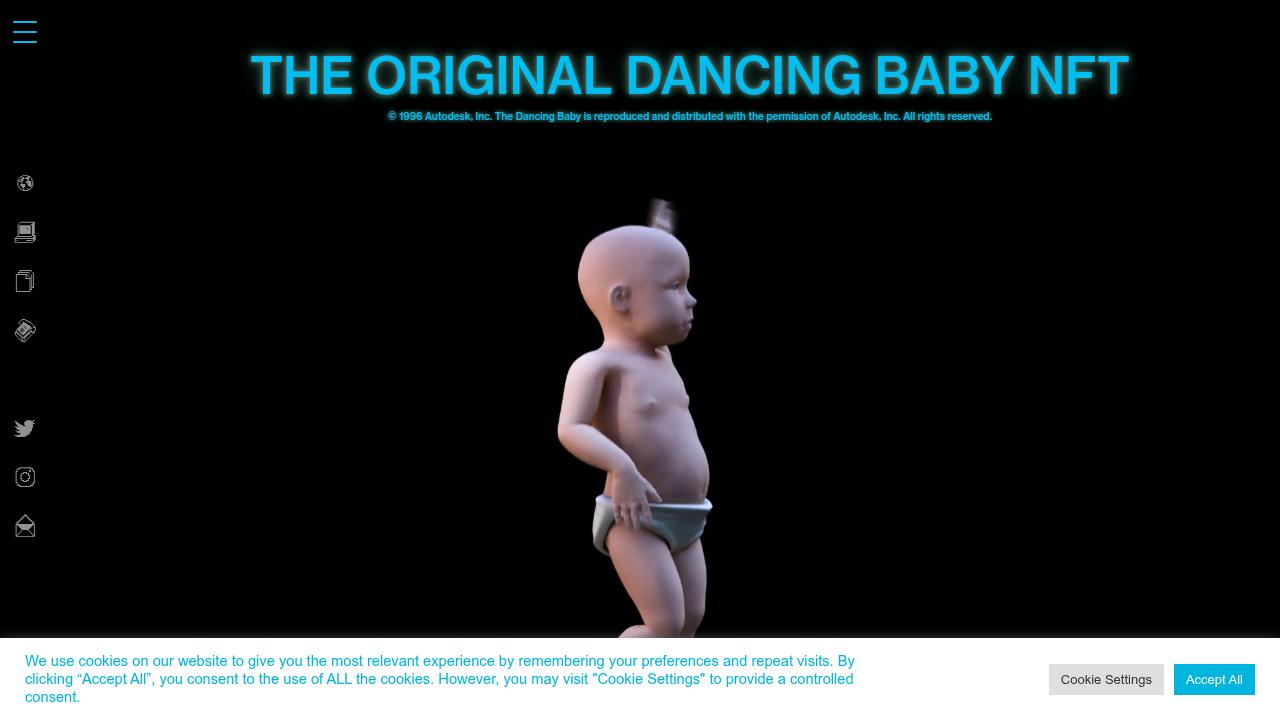
Here is how it went down. A developer made the animation using a program called Autodesk 3ds Max. He was just testing software. He never expected it to blow up. But once the clip started spreading through email and early websites, it became a monster hit. The animation was only a few seconds long, but it looped perfectly. People watched it over and over.
Soon the Dancing Baby appeared on the TV show Ally McBeal. That pushed it into mainstream pop culture. According to a historical overview, the animation was a revolutionary piece of 3D character animation at the time. source It became a symbol of what the internet could do. It turned a simple file into a shared experience for millions.

This old meme taught us something important. It proved that content does not need to be fancy to go viral. It just needs to make people want to share it. The Dancing Baby paved the way for every funny video, face meme, and looped GIF you see today. It was the spark that started a wildfire.
If you enjoy the history of these early internet laughs, you might also like finding humor in a good book. Check out our list of funny books for adults that will give you the same lighthearted feeling.

2. Hamster Dance (1997): The Power of Repetition
Just one year after the Dancing Baby wiggled onto screens, another simple idea took over the web. A Canadian art student named Deidre LaCarte built a silly website called the Hamster Dance. It showed rows of cartoon hamsters bouncing up and down. And it played a sped-up, looped version of a song called “Whistle Stop.” That was it. No story. No punchline. Just hamsters, dancing, and that catchy tune repeating over and over.
The site became a monster hit. People loved the absurd, hypnotic loop. It spread through email forwards and early social bookmarking.

The traffic was so heavy that it sometimes slowed down the whole internet. According to historical reports, the site got thousands of visitors per day at its peak. It also inspired countless remixes and fan versions, keeping the trend alive for years.
Why did it work? Because it was simple. It made no demands on you. You just watched and smiled. The Hamster Dance proved that repetition and absurdity could be just as powerful as a clever joke. It paved the way for later old memes like the endless loops of funny videos and the replayable face memes we see today. And it showed that you didn’t need to be a big brand to go viral. You just needed a fun idea.
This kind of lighthearted, repeatable joy is exactly what we look for in humor today. If you enjoy the simple absurdity of these early internet laughs, you will love the work of modern writers who craft that same feeling. Check out our list of 8 funny authors who make the world laugh in 2026 for more good times.
3. All Your Base Are Belong To Us (2000): Early Gaming Meme
By the year 2000, the internet was ready for something new. Gamers were spending more time on forums and chat rooms. And they found a weird kind of poetry in a mistake.
A Japanese arcade game called Zero Wing had a badly translated English intro. The opening line read: "All your base are belong to us." It made no sense grammatically. But it made perfect sense as a joke.
The phrase spread fast. Someone made a flash animation set to a techno remix. The video showed the text flashing on screen while the beat dropped. The remix song became a hit. Soon people were shouting "All your base" in chat rooms, in forum signatures, and even in real life. It was one of the first times a catchphrase from a video game crossed over into mainstream pop culture.
This is a classic example of how old memes were born from happy accidents. A developer made a translation error. The community turned it into a shared joke. And that joke lasted for years. You can see the same playful spirit in modern funny videos that remix old content in unexpected ways. It is also part of the reason face memes and other simple formats work so well today. They let anyone join in.
If you love this kind of clever, unexpected humor, check out our list of laugh-out-loud funny books for adults for more good times.
Love Clever Comedy? Get the strange, warm, sci-fi series behind the laughs.
4. “I Can Has Cheezburger?” (2005): The Rise of LOLcats
By 2005, the internet had a new favorite thing: cats. People already loved sharing pet photos on forums. But someone took it a step further. They added white text in Impact font on top of a picture of a chubby gray cat. The caption read, “I Can Has Cheezburger?”
And just like that, the modern meme was born.
This image created a whole format. You take a cute cat photo. You add broken English text in that bold white font. The result was hilarious.

People started making their own versions. Soon a website called I Can Has Cheezburger? became the home for all of them. It was a simple idea that worked perfectly. It turned old memes into something shareable by anyone with a photo editor.
The site grew fast. At its peak in 2011, the Cheezburger Network brought in over 375 million page views every month (Business Insider).

Founder Ben Huh helped grow the company to include 56 different humor sites (Entrepreneur). The network was eventually sold to an unnamed buyer in 2016 (GeekWire). That is a long way from a single cat picture.
LOLcats showed us that funny videos and images could become their own language. The white Impact font style is still everywhere today. You see it in face memes and even in later trends like minion memes. The recipe is the same: take a simple image, add a relatable joke, and share it.
If you enjoy this kind of playful humor, you will love our list of 8 funny authors who make the world laugh in 2026. They capture that same silly, shareable spirit in their books.
5. Rickrolling (2006): The Ultimate Prank Meme
In 2006, a new kind of old memes was born. It wasn’t a funny photo or a cute cat. It was a trick. And it started on the wild forum 4chan.
Someone posted a link they said would take you to a cool video. But when you clicked, you didn’t get a cool video. You got Rick Astley’s 1987 song "Never Gonna Give You Up." The music video showed a man in a bad suit dancing awkwardly. It was so silly that people started laughing instead of getting mad.
The prank had a name: rickrolling. And it spread faster than anyone expected.
Soon you could not escape it. People sent rickroll links to friends and family. Someone rickrolled the crowd at a Macy’s Thanksgiving Day Parade. Even the Church of Scientology got rickrolled during a protest. The joke crossed into real life. It proved that funny videos and simple pranks could bring millions of people together.
Rickrolling worked because it was participatory. You needed to trick someone to keep the joke alive.
That made it feel like a game everyone could play. It also helped shape later face memes and minion memes. The idea was the same: take a simple format, add a surprise, and share it.
If you enjoy the kind of playful humor that makes you laugh out loud, you might love these funny books for adults that will make you laugh out loud. They have the same spirit of trickery and joy.
In 2026, rickrolling still works. It is one of the most famous old memes ever. And it shows us that the best jokes never really die. They just find a new way to make you click.
6. “This Is Fine” Dog (2013): Millennial Anxiety Icon
Some old memes capture a feeling so perfectly that they never fade away. The “This Is Fine” dog is one of them.
Artist KC Green first drew the comic for his webcomic Gunshow in 2013. The comic showed a dog sitting in a kitchen that was on fire. The dog said, “This is fine.” In the next panel, the dog’s face caught fire, and he said, “This is fine.” That was it. Two panels. One perfect joke about denial.
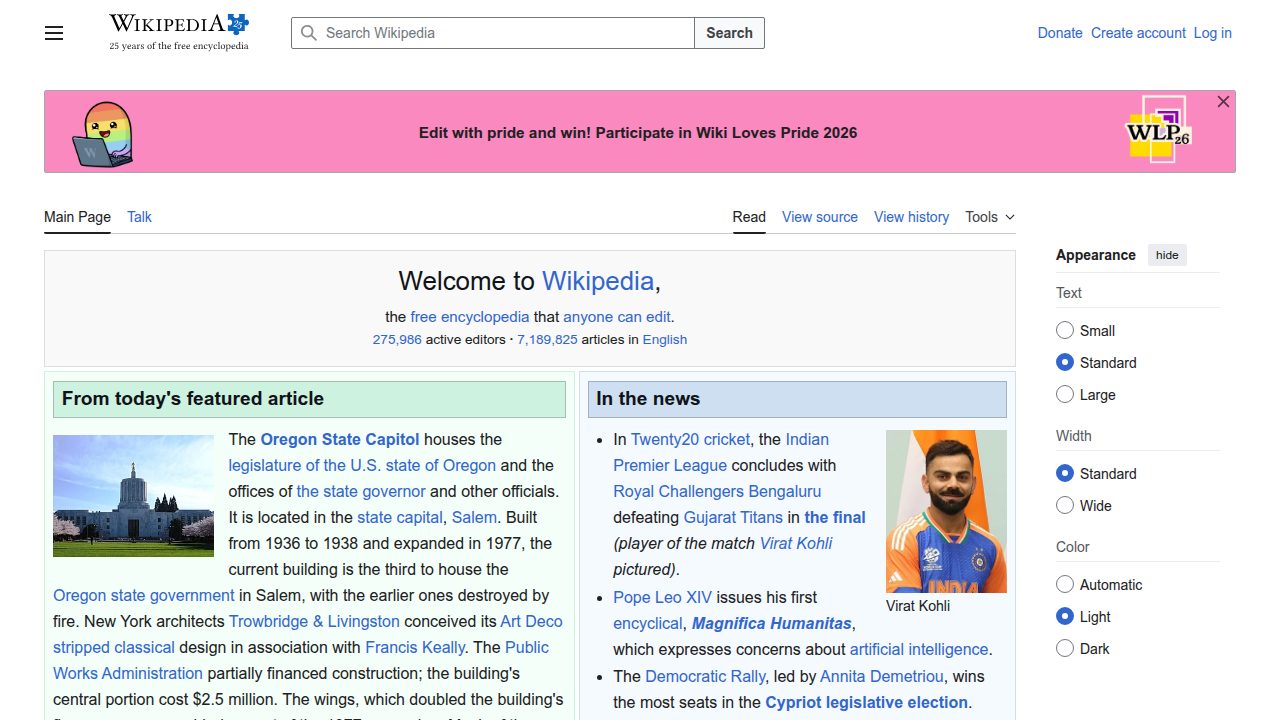
As Wikipedia explains, the comic “On Fire” quickly turned into a global meme.
People used it for everything. A bad day at work? This is fine. A huge political crisis? This is fine. It worked because everyone understood that feeling. You know something is wrong, but you pretend it is not.
The meme stayed popular because it speaks to a real human emotion. Millennials and Gen Z both adopted it. It shows up during funny videos and in serious news articles. It even outlived many other face memes and minion memes.
In 2026, the “This Is Fine” dog is still everywhere. It stands for resilience, denial, and dark humor all at once. If you love that kind of honest, funny take on life, you might enjoy a good laugh too.
Need a Smarter Laugh? This sci-fi comedy is built to make you laugh first.
7. Distracted Boyfriend (2017): Relatable Format
Some old memes are built on a single image that could mean anything. The Distracted Boyfriend meme fits that mold perfectly.
It started as a stock photo taken by photographer Antonio Guillem. The image shows a man turning his head to look at another woman while his girlfriend stares at him in disbelief. Someone on the internet turned it into a three-panel format. The man became the guy choosing something new. The girlfriend became the thing he left behind. The other woman became the shiny new option.
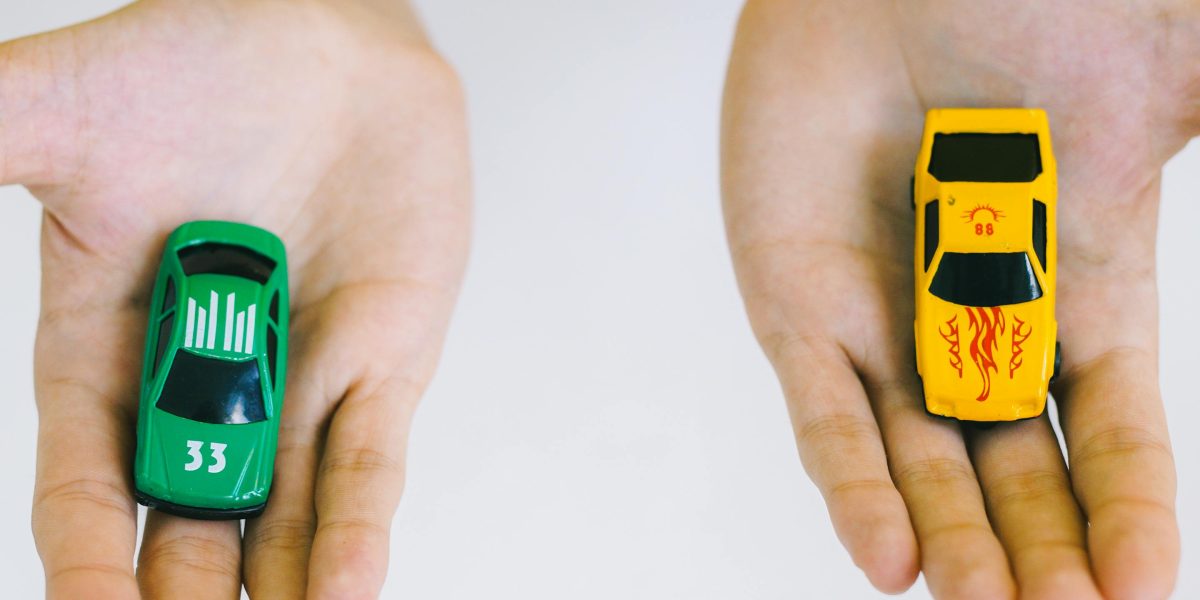
From there, it exploded. People used it to compare everything. Old job versus new job. Pizza versus tacos. A classic book versus a trending novel. The format worked because everyone understood the situation instantly. You did not need any explanation.
Unlike some minion memes that rely on a specific character, this format stays fresh because it adapts to any comparison. It shows up in funny videos and social media posts daily. Its power comes from its simple visual structure. You can apply it to almost any topic. That is why it remains one of the most shared face memes of all time.
If you love this kind of clever visual humor, you might also enjoy reading something that makes you laugh out loud. Check out our list of funny books for adults that will make you laugh out loud for more lighthearted entertainment.
8. Woman Yelling at Cat (2019): The Perfect Reaction Meme
Some old memes become classics because they capture a single feeling. The Woman Yelling at Cat meme does exactly that. It combines two completely different images into one hilarious reaction format.
The top image comes from a scene in The Real Housewives of Beverly Hills. Actress Taylor Armstrong sits at a table, pointing and yelling with tears in her eyes. The bottom image shows a confused white cat sitting behind a plate of salad. That cat is Smudge, and its calm, judgmental look is pure gold.
Together, they create a joke about overreacting versus staying chill. You can use it for any situation where someone gets way too upset while someone else stays totally unfazed. It works in online arguments, work emails, or everyday drama.
This meme spread fast because it is so easy to understand. You do not need any background. You just see the contrast and laugh. It became one of the top face memes on social media almost overnight.
And like many great funny videos and image formats, it keeps going. In 2026, people still use it to react to everything from politics to pop culture. It is a perfect example of how simple visual humor can last.
If you enjoy this kind of clever contrast, you will love discovering more ways to find laughter online. Check out our guide to 8 proven strategies to find humorous content for readers for more ideas on keeping the fun going.
9. Old Memes vs. Modern Memes: How Formats Evolved
So we just saw how a 2019 meme like Woman Yelling at Cat still makes us laugh in 2026. But the way we create and share old memes has changed a lot. Let us look at how meme formats have evolved over time.
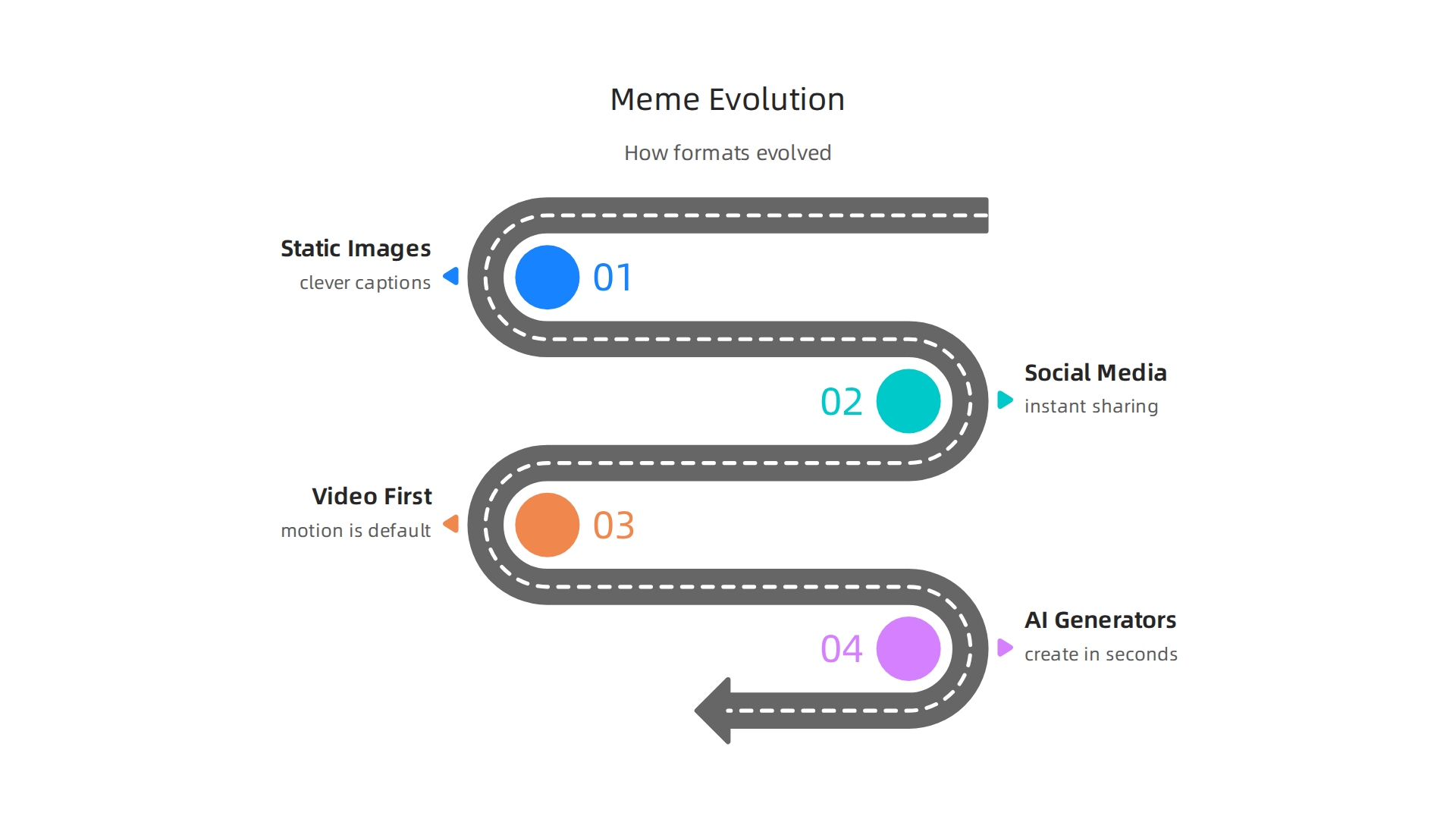
Back in the early days, memes spread through email forwards and simple websites. You would see a static image with white Impact font text on top and bottom. Think of classics like the "I Can Has Cheezburger?" cat or the "Bad Luck Brian" photo. These were basic face memes that relied on a single joke. People saved them to their hard drives and forwarded them to friends. It was slow but fun.
Then social media took over. Platforms like Facebook, Twitter, and Reddit made sharing instant. Memes became templates that anyone could remix. The minion memes craze on Facebook showed how a simple character could go viral. But the format was still mostly static images or GIFs.
Here is where things really shifted. According to the Viggle AI blog, "Memes didn’t always move. They started as static images with clever captions. Then videos took over. Now, in 2026, motion is the default." The Adobe meme guide confirms that modern memes have shifted from static images to video-first formats. Short video platforms like TikTok and Instagram Reels now drive most meme culture. You see lip-syncs, skits, and reaction clips instead of still pictures.
Even the tools have changed. In 2026, you can use AI meme generators to create GIFs and short video memes in seconds. Sites like Canva let you add animations and text to make your own video memes. The format has become faster, more interactive, and more personal.
But here is the thing: the core principles of memes have not changed. Relatability, humor, and remix culture are still what make a meme stick. No matter if it is an old email forward or a new TikTok trend, people love content that makes them go "That is so me."
If you enjoy seeing how humor evolves, you will love discovering new funny videos and laugh-out-loud reads. Check out this list of 8 funny authors who make the world laugh in 2026 for more smiles.
And if you want a smart, silly story that mixes classic humor with modern vibes, meet the sci-fi comedy built to make you laugh first. It is the perfect next step for anyone who loves clever jokes.
10. Why We Still Love Old Memes: Nostalgia and Shared Culture
So we have seen how memes moved from static face memes to fast video clips. But why do we still love those old formats? Why do people still share a classic "Bad Luck Brian" or a minion memes compilation from years ago?
The answer starts with nostalgia. The early internet felt simpler. You did not have algorithms feeding you content. You found a funny image, saved it, and forwarded it to a friend. That slow, personal sharing created a special bond. According to the Viggle AI blog, "Memes didn’t always move. They started as static images with clever captions." That simplicity makes us miss a time when online life felt smaller and friendlier. Sharing an old meme is like pulling out a photo album from 2010.
Old memes also work as cultural touchstones. They mark moments in internet history. When you send someone a "Success Kid" or "Grumpy Cat," you are not just telling a joke. You are saying, "I remember that moment too." This creates a sense of belonging. You and the other person share a secret language. It is a quick way to connect without needing words.
And here is something beautiful: sharing old memes has become a form of digital storytelling. You can show a younger person a funny video from 2015 and explain how it started. That quick chat becomes a bridge between generations. You pass along internet history. It feels good to be the one who says, "Oh, you have to see this classic."
If you love how humor connects people across time, you will enjoy discovering new voices too. Check out this list of 8 funny authors who make the world laugh in 2026 for more smiles.
And if you want a modern comedy series that keeps that same playful spirit, Love Clever Comedy? Get the strange, warm, sci-fi series behind the laughs. It is the perfect next step for anyone who believes a good laugh never gets old.
Summary
This article traces the history and staying power of classic internet memes, from the Dancing Baby and Hamster Dance to Rickrolling and the